You want the ocean, privacy, and a true resort lifestyle without guesswork. Crystal Cove delivers all three, but it also comes with layers of HOA rules, view-driven pricing, and coastal regulations that you should understand before you write an offer. In this guide, you’ll learn how the neighborhood is organized, what drives value, and what to check during due diligence so you can buy with confidence. Let’s dive in.
Why Crystal Cove stands out
Crystal Cove sits within Newport Coast in Newport Beach, perched above Crystal Cove State Park and Pacific Coast Highway. You get direct access to preserved coastline, the Historic District’s restored cottages and tidepools, and nearby retail at the Crystal Cove Promenade. Fashion Island and Pelican Hill Resort are close, which supports both lifestyle and long-term appeal.
The area is master planned, not pieced together over decades. That means cohesive streetscapes, controlled architectural standards, and consistent landscaping. The planning context includes multi-agency oversight, with nearby state park projects often involving Coastal Commission review. For you, that translates to a polished environment and well-managed common areas.
Community layout and homes
Gated structure and sub-neighborhoods
Crystal Cove is a collection of guard-gated enclaves with multiple sub-associations. There is a separately gated Estate Collection with private lanes and, in some cases, double gates. Expect a master association that oversees community-wide amenities and security, plus tract-level associations that handle local rules and maintenance.
The governance structure keeps the community consistent, but it also means you will navigate two layers of documents and dues. Plan to review both the master HOA and your sub-association before you finalize terms.
Lot sizes and architecture
You will see a mix of luxury production homes, semi-custom residences, and large custom estates. Lot sizes range from modest tract parcels to custom sites of roughly 0.2 to 1+ acres. Trophy estate homes often sit on larger pads and can exceed 6,000 to 14,000 square feet or more.
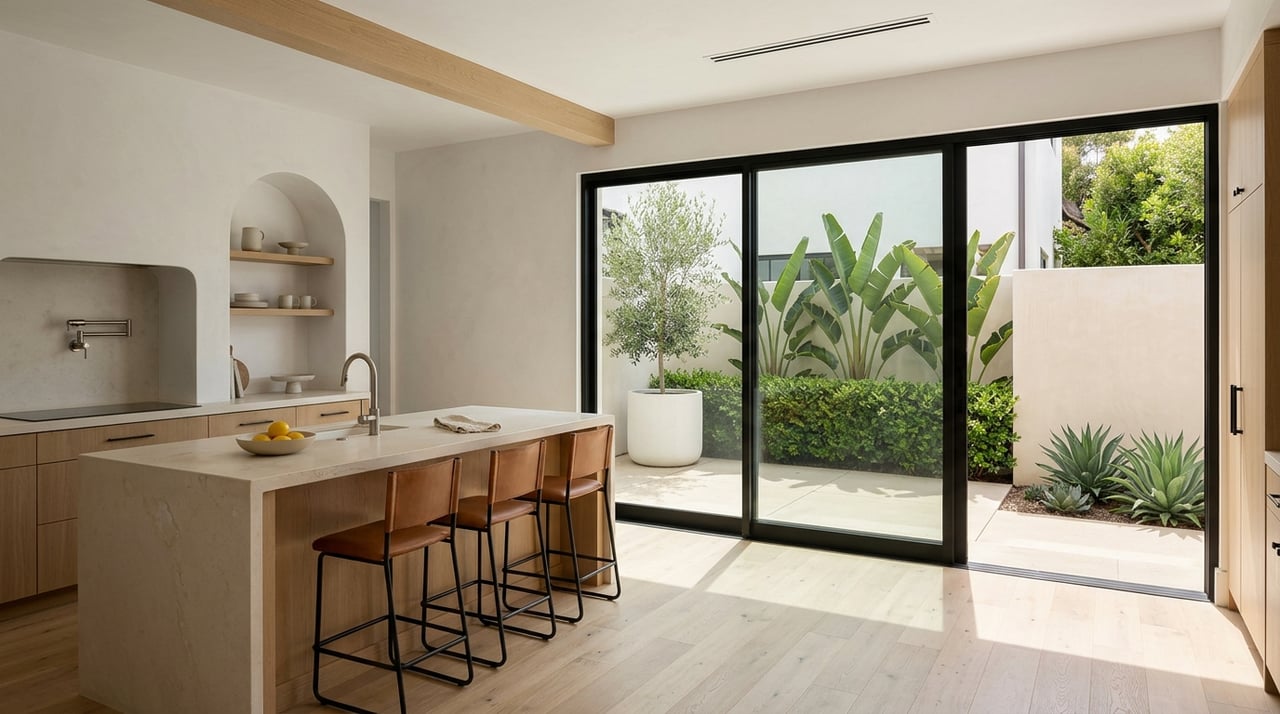
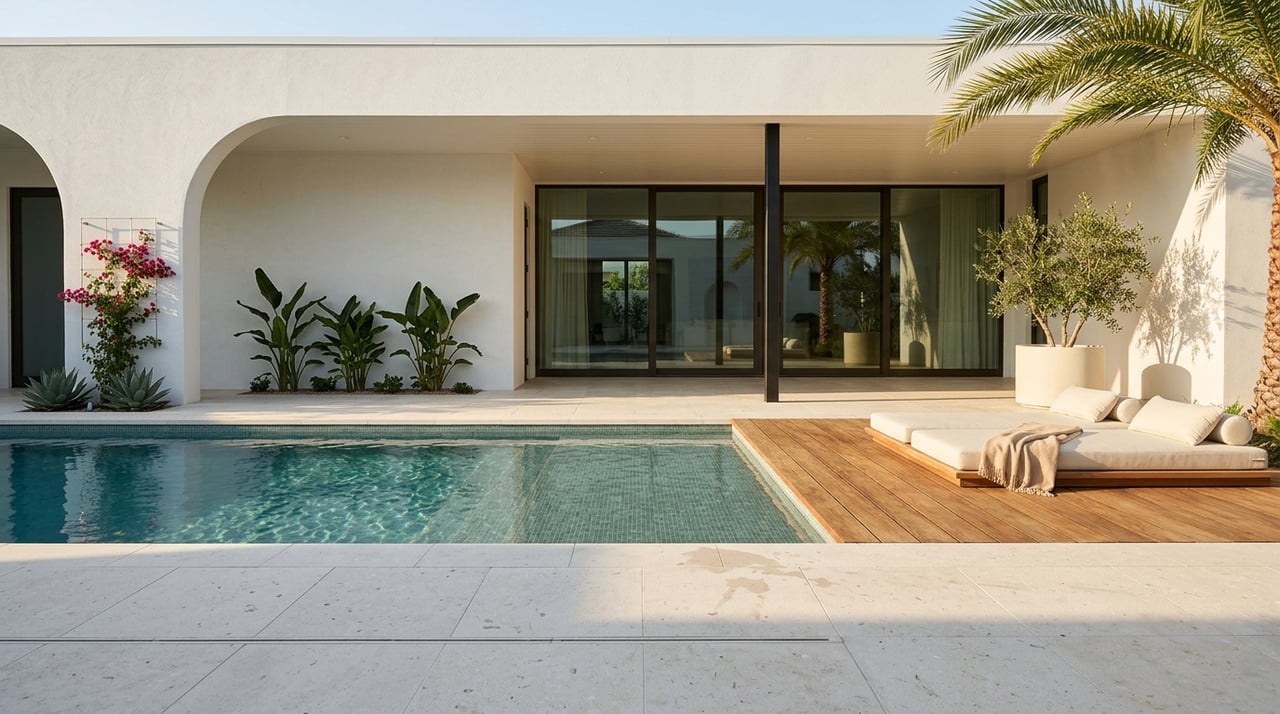
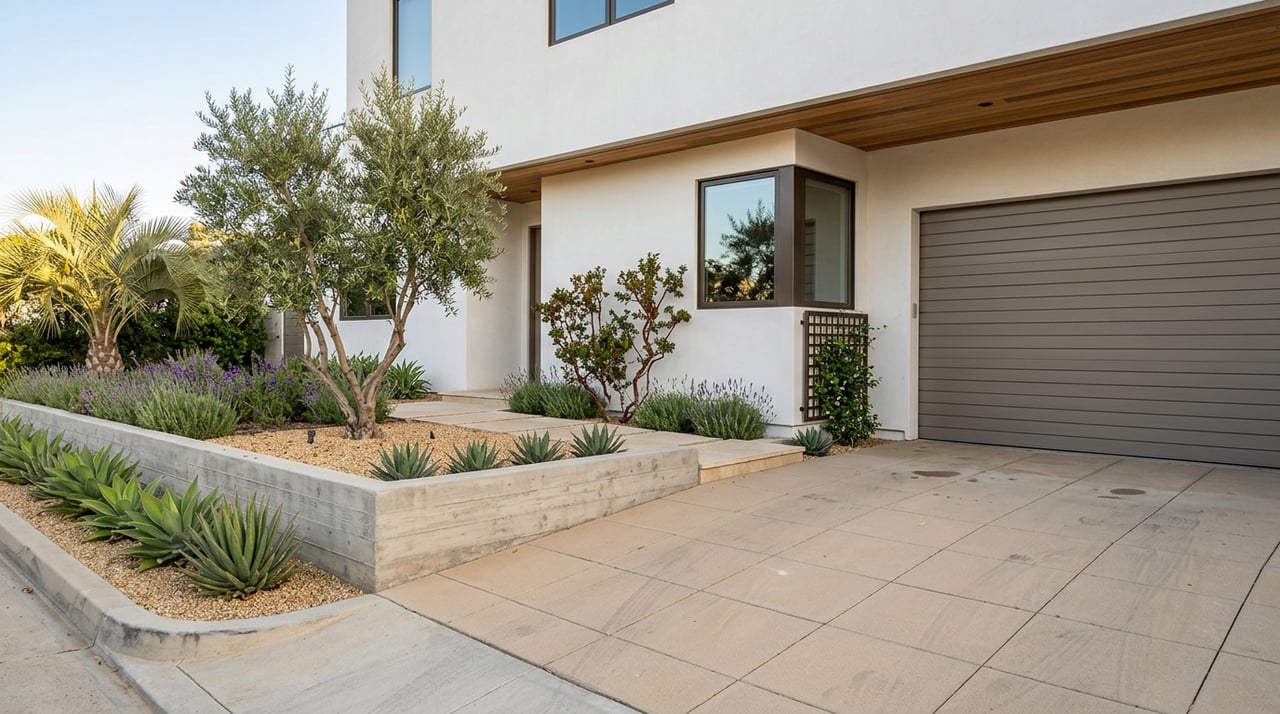
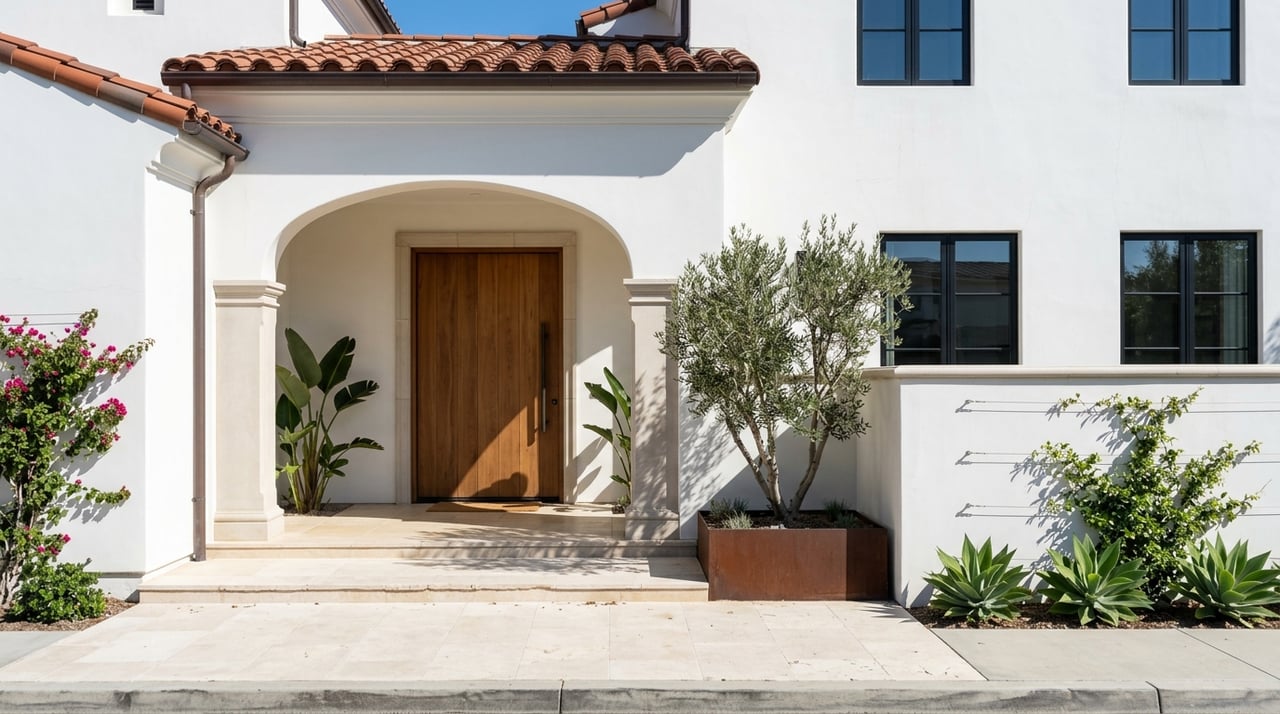
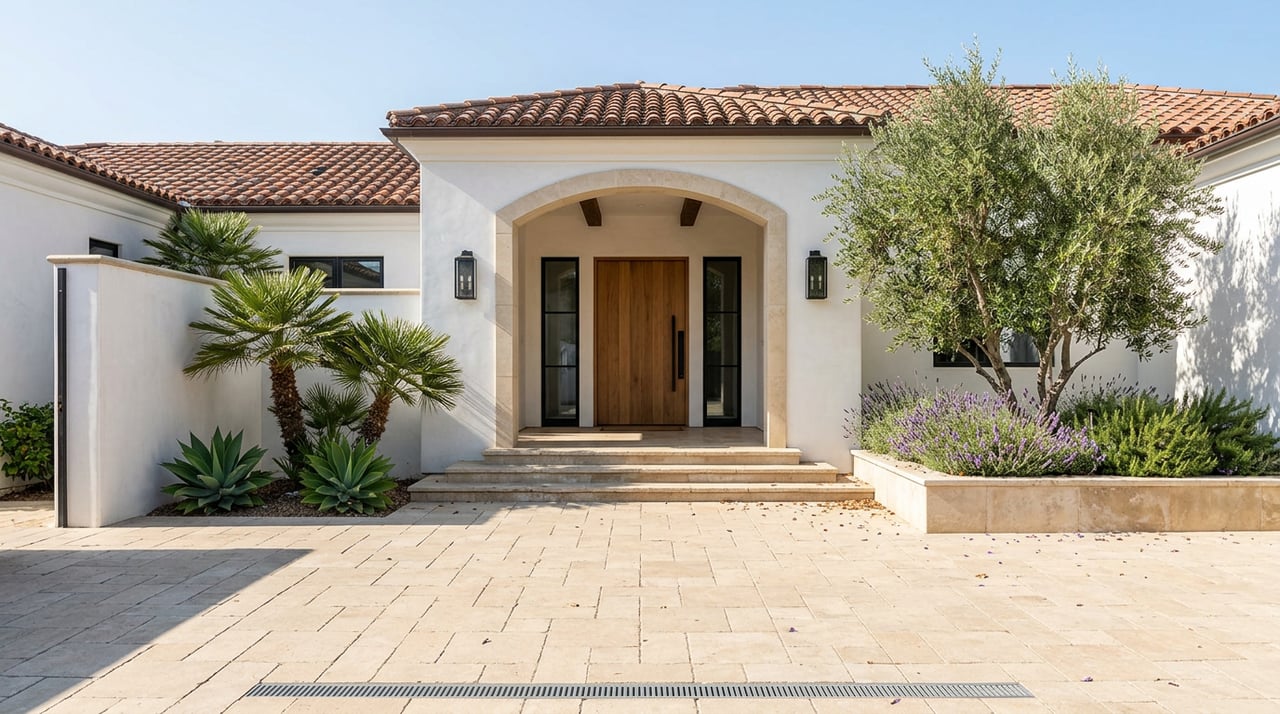
Mediterranean and Spanish-inspired architecture is common in the production tracts. Newer custom builds lean contemporary with expansive glass and clean lines. Expect serious garages for collections, smart home systems, and resort-style outdoor spaces with pools, loggias, and outdoor kitchens.
Views and value
Value in Crystal Cove is positional. Homes with front-row, sit-down ocean and Catalina views and single-loaded streets command persistent premiums that can add multiple millions to pricing. Interior or cul-de-sac lots without sit-down views trade at a discount relative to front-row parcels. Always run true apples-to-apples comparables for the specific street and collection to quantify any view premium before you bid.
Amenities and HOA expectations
Canyon Club and security
Residents enjoy 24/7 guard-gate access and a private clubhouse campus often referred to as the Canyon Club. Listings describe a junior-Olympic pool, fitness center, tennis and basketball courts, meeting and event facilities, and greenbelts. Trails connect you to Crystal Cove State Park, which is a core part of the lifestyle here.
HOA dues and governance
Crystal Cove typically has two layers of HOA: the master and the sub-association. Professional management companies handle administration. Monthly assessments vary by sub-collection and lot type, from the hundreds to well over $1,000 per month. Confirm current dues, future budgets, and any special assessments directly with management.
Rules and design review
CC&Rs and design guidelines control exterior materials, roof heights, landscaping, and hardscape details. Custom builds must pass design review, and the process can take months before permits. Large estate builds often span two to three years. If you plan to remodel or build, request the design review timeline, height limits, and any pre-approved plan sets before you write an offer.
Market positioning and pricing
Price bands
Crystal Cove is among the highest-value enclaves in Newport Coast. Recent listings for custom estates and front-row properties commonly sit in the low to mid eight figures, with select trophy builds far above that range. Because high-end coastal sales are low volume, a single sale can sway the data. Use live, street-level comps within the same collection whenever possible.
How it compares inside Newport Coast
Compared with Pelican Hill, Pelican Crest, Pacific Ridge, and Pelican Ridge, Crystal Cove competes on immediate ocean proximity and beach access, plus the scarcity of front-row positions. Pelican Hill and Pelican Crest retain some of the largest legacy lots, but Crystal Cove’s adjacency to the State Park and the Promenade shapes a distinct premium for certain homes.
Carrying costs and insurance
California’s Proposition 13 sets a base property tax near 1 percent of assessed value, with local bonds and assessments increasing the effective rate. In coastal Orange County, total effective rates often land above 1 percent. Add HOA dues, utilities, staff, and coastal or hillside home insurance, which can be higher. Get tax breakdowns from the county assessor and request insurance quotes early, especially if the home sits in a higher wildfire severity zone.
Risk and regulatory considerations
Coastal planning and permitting
Crystal Cove borders protected parkland where restoration and stabilization projects often require Coastal Commission permits. Private projects near bluffs or the shore can trigger detailed review. If you are buying on or near a bluff, budget time for geotechnical studies and confirm any permit history tied to shoreline work.
Erosion, flood, and sea-level notes
Front-row and bluff-edge parcels should be evaluated by a coastal engineer. Ask for any existing geotechnical or shoreline reports, review bluff stability, and check FEMA and county flood maps for lower-lying areas. Some projects in the area have required bluff stabilization plans, so do not skip this step.
Wildfire and hillside exposure
Parts of Newport Coast, including Crystal Cove, are covered by vegetation management and fuel modification programs. Wildland-urban interface rules can influence landscaping choices, building materials, and insurance availability. Confirm whether your lot lies within a Hazard Reduction or Fuel Modification zone and request the most recent inspection history.
Rentals, events, and remodeling limits
Short-term rentals, large events, and exterior alterations may be limited by CC&Rs, management rules, and local coastal regulations. Verify rental policies, guest capacity rules, construction timing, and any historic enforcement before you rely on income or plan major changes.
Due diligence checklist
Use this quick list as your early action plan:
- Confirm school district and campus assignments by property address. Boundaries vary by micro-location.
- Request the full HOA packet for both the master and sub-association: CC&Rs and amendments, bylaws, current budget, financials, reserve study, rules, insurance certificates, board minutes for the past 12 months, and any pending litigation or special assessments.
- Pull street-specific MLS comps. Separate front-row view comps from interior lots to avoid pricing errors.
- Order a geotechnical and coastal-engineer review for front-row or bluff-adjacent parcels. Confirm any Coastal Commission permit history tied to the property.
- Obtain a wildfire-risk and defensible-space compliance report. Verify whether the lot sits in a designated Hazard Reduction or Fuel Modification zone.
- For custom lots, review the design guidelines, height limits, and architectural review timelines. Expect multi-month design review.
- Get early insurance quotes for homeowners, excess liability, and wildfire coverage. Some carriers restrict coverage or adjust deductibles in higher-risk zones.
- Confirm property tax estimates, any Mello-Roos or CFD liens, and supplemental taxes for new construction. Request reports from the county assessor and your title team.
- If you plan for on-site staff or an accessory dwelling, confirm zoning and CC&R rules for occupancy, parking, and separate entries.
- Model liquidity and exit scenarios. Trophy estates can have longer marketing timelines. Price to recent, relevant comps and plan your holding costs.
How to buy smart in Crystal Cove
Start with clarity on your non-negotiables: front-row views, architecture style, build timeline, and privacy. Then map those to the right sub-collection and street. Ask your agent to run live, micro-comp sets that control for view, elevation, and orientation. Those details often move value far more than interior finish lists.
Before you negotiate, get the HOA packet and risk reports in motion. If issues emerge in design review history, reserve funding, or inspection notes, address them in terms or credits. If you are considering a custom build, set expectations for the design review calendar and begin conversations with the architectural review board early.
Finally, think like a seller from day one. Choose a site that will remain scarce and desirable in ten years. In Crystal Cove, that often means protected, sit-down views, strong privacy on the lot, and convenient access to the Promenade and State Park trail network.
If you want help assembling the right comps, HOA documents, and specialist vendors before you offer, reach out. You can expect a discreet, concierge process that respects your time and priorities. Connect with Paolo Galang to get started.
FAQs
What makes Crystal Cove unique within Newport Coast?
- Crystal Cove pairs master-planned, guard-gated living with immediate access to Crystal Cove State Park, beach pathways, and the Promenade, plus a strong focus on view lots and resort amenities.
How do HOA layers work in Crystal Cove?
- You will have a master association for community-wide assets and a sub-association for your tract, each with its own dues, rules, and design oversight. Review both before you commit.
What drives the biggest price differences in Crystal Cove?
- Front-row, sit-down ocean and Catalina views on single-loaded streets carry large and persistent premiums compared to interior lots. Always comp by street and view tier.
Are there special taxes or assessments I should expect?
- California’s base tax is near 1 percent of assessed value, with local bonds and possible Mello-Roos or CFD liens increasing the effective rate. Request a full tax and lien breakdown.
What should I know about building a custom estate here?
- Custom builds require design review with specific height and material standards, plus city permitting. The design process can take months and large builds often span two to three years.
Are short-term rentals allowed in Crystal Cove?
- Short-term rentals and large events may be limited by CC&Rs and local coastal rules. Verify rental policies, guest limits, and enforcement history before assuming any rental income.