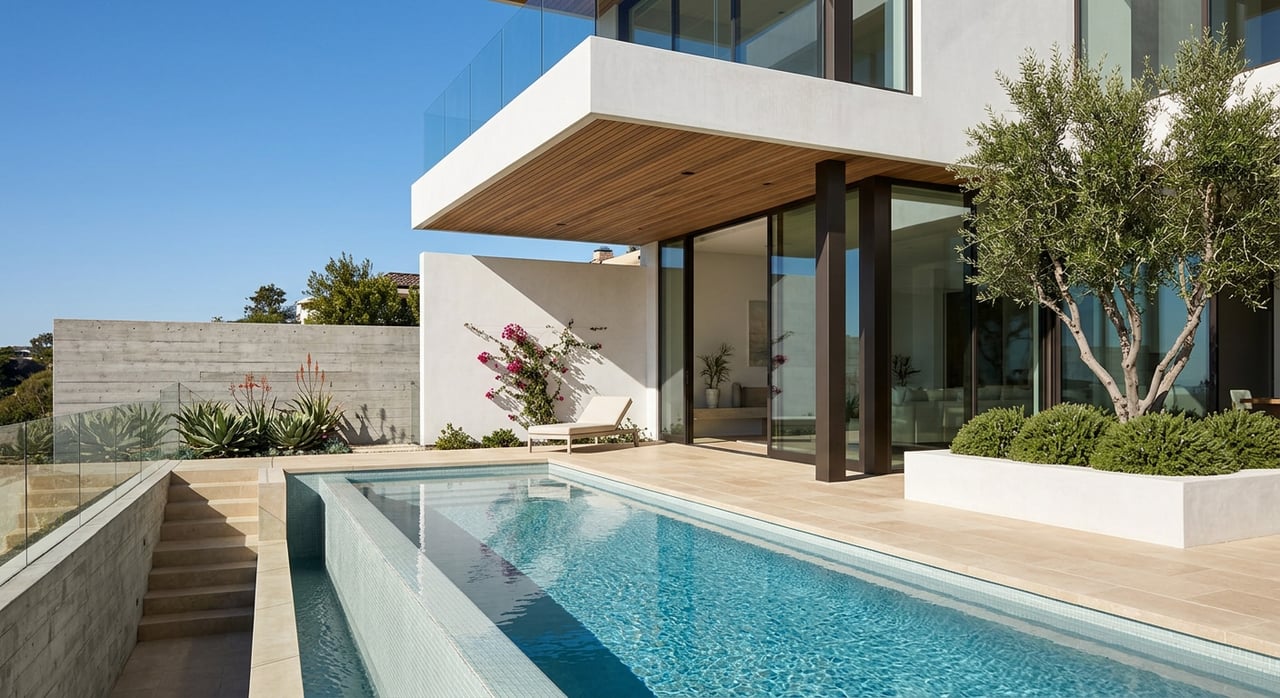
Torn between waking up to waves at your doorstep or watching the sunset from high above the coves? In Laguna Beach, both settings deliver a signature coastal lifestyle, but the day-to-day experience can feel very different. If you want clarity before you tour, you’re in the right place. You’ll learn how hillside and beachfront homes compare on views, access, privacy, hazards, insurance, maintenance, pricing and permitting, plus a practical due-diligence checklist to narrow your search. Let’s dive in.
Laguna’s map in minutes
Laguna Beach sits on a steep, canyoned coastline where the San Joaquin Hills rise quickly above the water. Most travel funnels along Pacific Coast Highway and SR-133 through Laguna Canyon, which shapes how you move between the hills and the village. The city’s compact footprint means even high-elevation neighborhoods are only short drives to the coast, but streets can be steeper and narrower uphill. You can see this elevation and access pattern in the city’s geography overview of Laguna Beach.
Hillside vs beachfront at a glance
Views and sun
- Beachfront: Direct, west-facing ocean vistas and nightly sunsets are typical. On bluff tops, wind exposure can be higher and private yard space can be limited.
- Hillside: Panoramic 180 to 360-degree views are common at higher elevations, including islands, ocean and city lights. Orientation and nearby trees or structures can affect view breadth.
Walkability and parking
- Beachfront: You get instant sand and tidepool access, plus walkable proximity to galleries and dining downtown. Expect more seasonal crowds and dependence on metered streets or public lots. The city’s beach parking guide shows how meters and lots affect convenience.
- Hillside: Daily life is quieter with less tourist foot traffic. You’re more likely to have private garage parking, but deliveries and service access can be trickier on steep, narrow streets. Most trips to beaches and shops are short drives.
Privacy and noise
- Beachfront: Public activity increases near popular beaches and parks, especially in peak season. Street-level and beach-level privacy can be limited, depending on the lot.
- Hillside: Day-to-day privacy is often stronger, particularly on lots that back to open space or tuck off main roads. Lot spacing on terraces still matters.
Lots, design and remodel path
- Beachfront: Many parcels are compact or tightly spaced on the bluff. Remodels and new work near the shoreline often trigger coastal development review, bluff setback studies and related conditions under the city’s certified Local Coastal Program. Review the city’s Local Coastal Program and design guidelines early.
- Hillside: You’ll see more lot variety, multi-level designs and terracing. Hillside Development and Grading rules apply, which can require detailed geotechnical reports and specialized plans. That upfront diligence often yields better private outdoor areas.
Natural hazards and resilience
- Beachfront: Primary concerns include coastal erosion, storm surge and tsunami exposure. The city’s Local Hazard Mitigation Plan discusses sea-level scenarios, cliff retreat and low-lying areas around Main Beach. Review the hazard mitigation plan for context, and verify bluff stability and any past shoreline armoring or stair permits on a given parcel.
- Hillside: Wildfire and slope stability are key issues. Many hillsides fall within Very High Fire Hazard Severity Zones. Check your address using the city’s Fire Hazard Severity Zone maps, and confirm any prior slope or retaining wall work.
Insurance and financing
- Beachfront: If a property sits in a FEMA Special Flood Hazard Area, lenders often require flood insurance. Start quotes early and confirm your exact flood zone. The city provides resources and a flood zone lookup guide to support parcel checks.
- Hillside: Wildfire-exposed parcels can face stricter underwriting, higher premiums or limited coverage. Early quotes help you compare private carriers with last-resort options.
Maintenance realities
- Beachfront: Salt air accelerates corrosion and wear on metals, finishes and seals. Expect more frequent repainting, hardware replacement and coastal-grade material choices. Research on marine atmospheric corrosion explains why coastal environments increase maintenance cycles; see this technical review for background.
- Hillside: Plan for drainage control, retaining wall inspections, erosion control and vegetation management for defensible space. Routine oversight of slopes and systems is normal.
Pricing and liquidity
- City snapshot: Laguna Beach is a high-price, low-inventory market. Recent market snapshots show median home values in the mid–seven figure range, roughly 2.7 to 2.9 million.
- Neighborhood skew: Scarce oceanfront or bluff tracts such as Emerald Bay and Three Arch Bay often command large premiums, with medians well above the city level. Prime hillside pockets with sweeping views also trade in the top tier. Expect price dispersion block by block.
Micro-neighborhood cues that matter
Beachfront and bluff pockets
- Village and Main Beach: If you want a coffee-to-coast lifestyle, the central village, Heisler Park and Main Beach area offer immediate access to shops, dining and public beaches. That convenience comes with seasonal activity and reliance on the city’s public parking.
- Gated oceanfront enclaves: North and South Laguna include coveted beachfront and bluff communities where private or semi-private amenities, beach access and low supply help drive pricing premiums. Certain shoreline permits can involve added Coastal review, so plan your remodel timeline accordingly with the Local Coastal Program.
Hillside pockets
- High-elevation living: Areas like Top of the World offer wide ocean and canyon views, parks and trailheads, and quieter streets. You trade walk-to-beach convenience for privacy and open-space access. Hillside projects follow design and geotechnical standards under the city’s Local Coastal Program.
Day-to-day lifestyle feel
- Beachfront and village: Morning beach walks, gallery nights and dinner in the village feel effortless. During peak seasons and festivals, you will see higher foot traffic, busy restaurants and more demand for parking. Study block-level parking dynamics with the city’s beach and parking guide.
- Hillside and canyons: Expect quiet mornings, quick access to Alta Laguna and Aliso & Wood Canyons trails, and broad sunset vistas. Daily errands require quick drives down to PCH, and steep roads can add a few minutes to each outing.
A quick decision matrix
- If you prize instant sand access and daily walks: prioritize beachfront or lower-bluff lots, then check FEMA flood zone and public parking patterns for that block.
- If you want privacy, trail access and big-sky views: target higher-elevation hillsides, then confirm Fire Hazard Severity Zone status and geotechnical history.
- If you plan a major remodel: review the property’s permit history and where it sits within the city’s Local Coastal Program. Shoreline and hillside standards differ and affect cost and timing.
- If you need predictable carrying costs: get early quotes for homeowners, flood and wildfire coverage using the city’s flood resources and the FHSZ maps.
Due-diligence checklist
- Run parcel hazard checks. Use the city’s flood and tsunami resources and the Fire Hazard Severity Zone maps to confirm designations. Ask for any elevation certificates and geotechnical reports referenced in seller disclosures. The city’s flood zone guide explains how to identify flood risk.
- Confirm permit history and coastal jurisdiction. For oceanfront and bluff parcels, request coastal development permits, any seawall or bluff stair approvals, and check whether the lot is fully delegated to the city’s LCP or sits in an area with additional Coastal Commission oversight. Start with the Local Coastal Program.
- Order geotechnical and structural review. Hillside and bluff properties benefit from current soils and engineering studies. Review any slope stabilization, retaining walls or emergency repairs and verify permits. The city code outlines permit and review requirements; see relevant chapters via eCode360.
- Get insurance pre-quotes. Price homeowners, flood, earthquake and wildfire coverage before you write. Some beachfront parcels require flood policies, while wildfire-prone hillsides can face tighter underwriting. Use the city’s flood resources to confirm zones.
- Budget for maintenance. On the coast, expect more frequent repainting, metal and hardware replacement and coastal-grade materials due to marine corrosion. Review this technical corrosion overview for context. In the hills, plan for drainage, erosion control and defensible-space vegetation cycles.
- Verify rental and HOA rules. If income is part of your plan, check HOA CC&Rs and the city’s Short-Term Lodging rules. The municipal code explains permit requirements and limitations; review the STL chapter on eCode360.
Which lifestyle fits you
- Choose beachfront if you want effortless beach days, walkable nights in the village and the sound of the surf at home. You accept a busier scene during peak months, closer neighbors and higher exposure to salt air and coastal permitting.
- Choose hillside if you value privacy, trail access and sweeping views with quieter streets. You accept steeper drives, a short commute to the sand and the diligence that comes with wildfire and slope management.
However you lean, your best outcome starts with clarity on hazards, permitting and carrying costs at the specific address. A targeted tour list plus early insurance and permitting checks will save time and protect value.
Ready to refine your search and see the best fits on and off market? Connect with Paolo Galang to curate options and plan a winning offer strategy.
FAQs
Are beachfront homes in Laguna always pricier?
- Not always. Scarce oceanfront and bluff lots often command large premiums, but top-tier hillside homes with sweeping views can also trade at the high end. Prices vary by micro-location and lot specifics.
What are the main hazards for bluff vs hillside homes?
- Bluff and beachfront properties face coastal erosion, surge and tsunami exposure, while hillsides face wildfire and slope stability risk. Use city hazard maps and studies to evaluate each parcel.
How does sea-level rise affect beachfront value?
- Impact depends on lot elevation, bluff geology and permit history. City planning documents identify low-lying areas as most vulnerable in long-term scenarios. Review parcel specifics and coastal permits before valuing.
What permits are needed for a remodel near the coast?
- Oceanfront and bluff projects often require coastal development review under the city’s Local Coastal Program, plus geotechnical studies for bluff stability. Hillside remodels follow hillside design and grading standards.
What insurance should I price into my budget?
- Start quotes for homeowners, flood and wildfire coverage. Beachfront parcels in FEMA flood zones may require flood insurance, while wildfire-exposed hillsides can face higher premiums or limited carrier options.