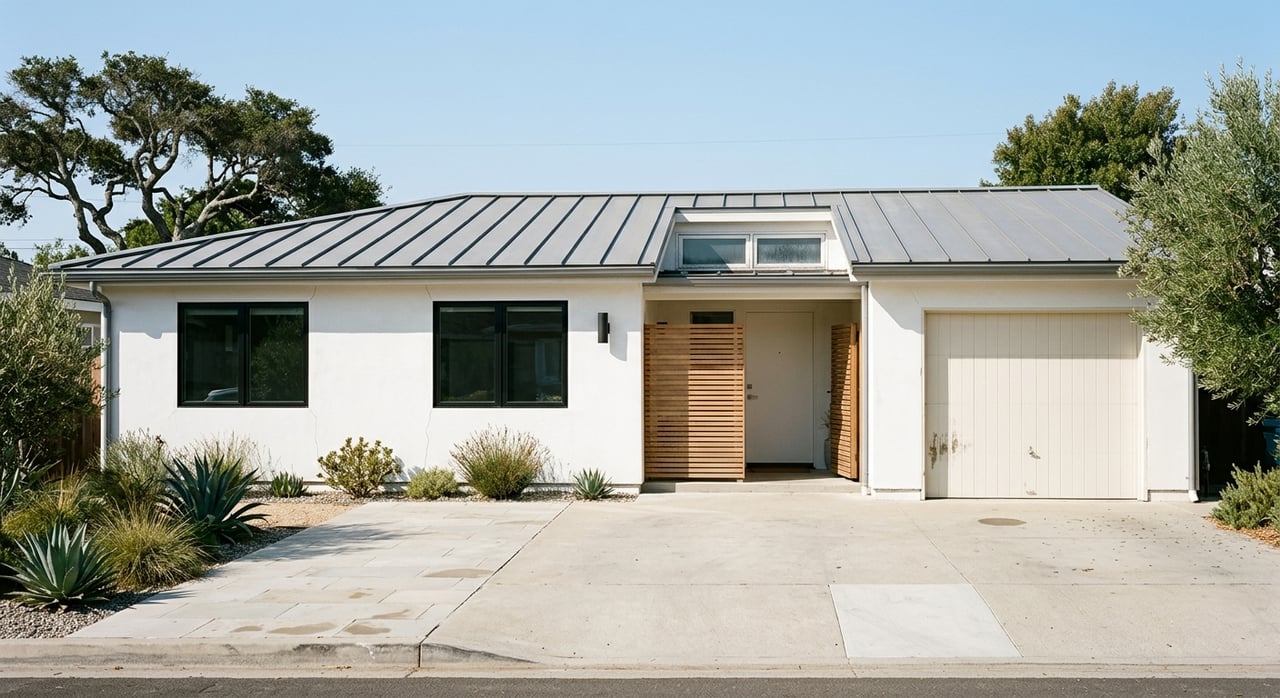
If you are looking for value-add opportunities in Costa Mesa, you need more than a good eye for finishes. You need to know where older housing stock, pricing gaps, rental demand, and city process all line up. In a market where median sale prices reached $1,632,500 in February 2026 and homes sold at 99.6% of list price on average according to Redfin’s Costa Mesa housing market data, disciplined execution matters. This guide will show you where investors often find the most practical opportunities, what property types tend to pencil, and which local rules can shape your timeline. Let’s dive in.
Why Costa Mesa Attracts Value-Add Investors
Costa Mesa offers a rare mix of central Orange County access, established neighborhoods, and a housing stock that skews older. The city highlights proximity to John Wayne Airport and major routes like I-405, SR-55, and SR-73 in its planning materials, along with major employers and activity centers that support ongoing housing demand in the area. You can see that broader context in the city’s general plan and housing planning documents.
The demand side is also important. The Census Bureau estimates Costa Mesa’s median household income at $111,505, median gross rent at $2,446, and owner-occupied housing rate at 39.6%, which points to a market with meaningful activity from both renters and owner-occupants. Those figures, available through the U.S. Census QuickFacts page for Costa Mesa, help explain why well-positioned, move-in-ready homes and upgraded rental properties can attract attention.
Where Investors Often Find Opportunity
Older neighborhoods create openings
Costa Mesa’s housing inventory gives investors a clear starting point. The city’s draft 2025-2029 Consolidated Plan estimates that about 29,160 housing units were built before 1980, with 77% of owner-occupied units and 68% of renter-occupied units dating to before 1980. That kind of age profile often creates room for cosmetic updates, functional improvements, and better property presentation in existing homes and smaller multifamily assets, based on the city’s housing stock data.
This does not mean every older property is a deal. It means the local inventory naturally produces more homes and small income properties where deferred maintenance, outdated layouts, or underused space may create value-add potential.
Westside stands out on pricing
For many investors, Westside Costa Mesa is one of the first areas to evaluate. City planning documents describe Westside neighborhoods as more densely populated with generally older housing stock, and Redfin neighborhood data for Westside Costa Mesa places the median sale price at about $1.345 million, below the broader city median.
That relative pricing matters in a city where entry costs are high across the board. A lower starting basis can create more room for a cosmetic refresh, light repositioning, or an ADU-based strategy, especially compared with higher-priced submarkets where renovation budgets can expand quickly.
Central Costa Mesa and Mesa del Mar merit attention
Central Costa Mesa and Mesa del Mar sit in a similar price band, around the mid-$1.4 million range based on the research provided. These established areas may appeal to investors who want access to neighborhoods with mature housing stock without paying Eastside or North Costa Mesa pricing.
In practice, these are often the places where value-add looks less like a major redevelopment play and more like smart, controlled improvement. Think better flow, cleaner presentation, stronger curb appeal, and updated systems where needed.
Higher-priced areas demand sharper underwriting
North Costa Mesa District and Eastside are materially more expensive, with neighborhood pricing in the research report around $1.93 million and $2.2125 million respectively. Opportunities can still exist there, but the margin for error is smaller.
In those submarkets, paying too much on the acquisition side or over-improving beyond buyer expectations can compress returns. Costa Mesa is not a bargain market, so the deal usually works because of basis discipline and execution, not because the market gives you much room to be careless.
Property Types That Fit a Value-Add Strategy
Single-family homes with dated finishes
Detached homes remain a major part of Costa Mesa’s housing mix. The city reports that 39% of housing stock is detached single-family, which means there is still meaningful inventory for investors focused on resale or long-term hold strategies involving light to moderate upgrades.
In a competitive resale market, buyer appeal often comes from visible usability rather than extreme customization. Redfin’s Costa Mesa home-trend data suggests features like storage, three-bedroom layouts, updated light fixtures, air conditioning, ceiling fans, laundry areas, and outdoor-living touches such as fire pits tend to resonate well with buyers.
Duplexes, fourplexes, and small multifamily
Costa Mesa’s housing mix also includes 12% two- to four-unit properties, 18% 5- to 19-unit properties, and 19% 20+ unit properties, according to the city’s draft consolidated plan. That is useful for investors because it shows the city is not limited to one housing format.
Older duplexes, fourplexes, and small apartment properties can offer value-add potential through unit upgrades, exterior improvements, better common-area presentation, or operational cleanup. If tenants are in place, though, your renovation strategy needs to account for local rules before assuming a quick turnover plan.
ADU and JADU plays
ADUs and JADUs are especially relevant in Costa Mesa because the city allows them in all residential districts. The city’s ADU page notes a 150-square-foot minimum size, optional parking, objective design standards, a pre-approved ADU program, and a safe-legalization program for certain unpermitted units built before January 1, 2020. You can review those details on the city’s ADU and JADU resource page.
For investors, that creates a practical path to adding utility and income potential without relying only on interior remodeling. On the right lot, an ADU strategy can support either a rental-income plan or a stronger resale story tied to flexibility of use.
What Makes a Costa Mesa Value-Add Deal Work
Focus on livability first
In Costa Mesa, the market appears to reward homes that feel functional, comfortable, and ready to use. That often means your best return may come from solving ordinary buyer pain points rather than chasing dramatic design statements.
A strong value-add plan may center on:
- Updated lighting and fixtures
- Added storage or improved organization
- Laundry-area improvements
- Air conditioning or ceiling-fan upgrades
- Better outdoor usability
- Clean landscaping and curb appeal
- Practical layout refinement where feasible
These improvements do not guarantee a premium, but they line up with the buyer preferences reflected in the research and fit the realities of a competitive, high-cost market.
Keep your basis under control
Costa Mesa’s pricing leaves little room for loose assumptions. Census data places the city’s median owner-occupied housing value at $1,115,100 and median gross rent at $2,446, reinforcing just how expensive the market is on both the ownership and rental side. You can verify that through the Census housing data for Costa Mesa.
That means a deal often succeeds because you bought well, scoped correctly, and exited cleanly. If your renovation budget drifts or your timeline expands, the spread can tighten fast.
Local Rules That Can Affect Your Timeline
Permitting can be quick or slow
Costa Mesa’s permit workflow is largely digital through TESSA, which is a plus for investors trying to move efficiently. The city states that standard plan review can range from 5 to 30 working days, while accelerated review is available for some projects and may be completed within 5 to 10 working days. The city also offers Insta-Permits for certain limited residential scopes, as outlined in its permit and plan review materials.
That said, your project can move onto a slower track if it triggers planning review or becomes more complex than originally expected. The city’s service objectives also note timelines tied to project size and application type in its development services performance standards.
Tenant-occupied properties require extra care
If you are evaluating an occupied rental property, you need to study tenant-protection rules early. Costa Mesa states that cosmetic improvements alone do not qualify as a substantial remodel under its just-cause tenant-protection framework, and a qualifying substantial remodel requires permit-backed work and a tenant vacancy of at least 30 days. The city also notes that permit records are typically available within 48 to 72 hours, while plan duplication requests can take up to 30 business days, according to the building records request page.
This is one of the biggest reasons diligence matters in Costa Mesa. A property that looks like a simple turnover on paper may involve a more careful timeline and scope review in reality.
Older homes may bring added compliance items
Because so much of Costa Mesa’s housing was built before 1980, older-property diligence is part of the investment playbook. Construction-and-demolition projects must divert at least 65% of project waste from landfills, based on city rules for construction and demolition recycling.
Historic status can also matter. If a property is designated under Costa Mesa’s historic preservation rules, alterations or demolition may require a Certificate of Appropriateness, as described in the city’s historical ordinance resources.
A Smart Costa Mesa Investment Lens
The best value-add opportunities in Costa Mesa are usually not the flashiest ones. More often, they are properties in established neighborhoods with older housing stock, realistic entry pricing, and a clear plan for measured improvements that match local demand.
If you are considering Costa Mesa as part of your Orange County investment strategy, it helps to pair market knowledge with disciplined execution. That includes understanding neighborhood price bands, permit pathways, tenant considerations, and which upgrades actually improve marketability. If you want a local perspective on sourcing, positioning, or preparing a value-add property for resale, connect with Paolo Galang for a discreet, data-informed conversation.
FAQs
Where do investors usually look for value-add properties in Costa Mesa?
- Investors often start in older, established neighborhoods such as Westside Costa Mesa, Central Costa Mesa, and Mesa del Mar, where pricing may be more approachable than Eastside or North Costa Mesa.
What property types offer value-add potential in Costa Mesa?
- Common targets include older single-family homes, duplexes, fourplexes, small multifamily properties, and homes with ADU or JADU potential where local rules allow.
How competitive is the Costa Mesa housing market for resale investors?
- Costa Mesa is a competitive market, with Redfin reporting a February 2026 median sale price of $1,632,500, about 41 median days on market, and an average sale-to-list ratio of 99.6%.
Are ADUs allowed on residential properties in Costa Mesa?
- Yes. The city states that ADUs and JADUs are allowed in all residential districts, subject to local development standards and permitting requirements.
What should investors know about tenant-occupied value-add properties in Costa Mesa?
- Investors should review local tenant-protection rules carefully because cosmetic work alone does not qualify as a substantial remodel, and qualifying remodels require permit-backed work and specific vacancy conditions.
Do older Costa Mesa properties come with extra diligence items?
- Yes. Older properties may involve permit-history review, possible lead-related considerations for pre-1978 homes, construction waste diversion rules, and historic review requirements for designated properties.